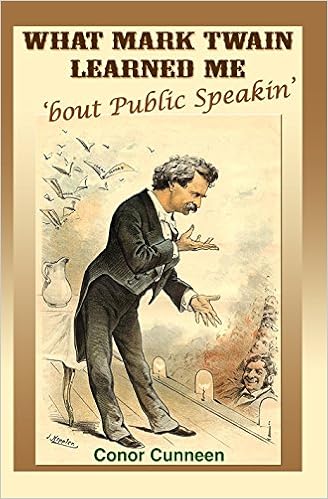
Conor is a Chicago based Motivational Humorous Business Speaker, Author and History buff.
.

.
1795: United Irishman Supporter Rev. William Jackson
Death of United Irishman supporter Rev. William Jackson. Jackson had liaised between France and United Irishman leaders in an effort to get support for an Irish rebellion. Betrayed by a colleague, Jackson was arrested and tried for sedition. On this in 1795, just prior to an inevitable sentence of treason, he ingested poison and dying actually in the courtroom. His death, prior to sentence meant that his possessions could not be seized by the state.
.
.
1923: Anti-Treaty Forces Ceasefire
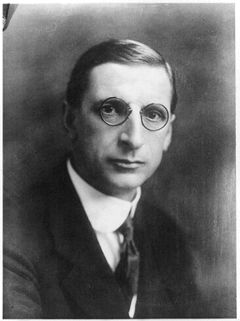
Eamonn De Valera
In the Irish Civil War, the anti-Treaty leadership authorizes Eamonn De Valera to declare a temporary ceasefire. A violent civil war will shortly end.
Riverdance is performed for the first time during the interval of the 1994 Eurovision song contest in Dublin. Initially commissioned as a once off featuring dancers Michael Flatley and Jean Butler with music composed by Bill Whelan, the seven minute piece was an immediate sensation.
.
RIVERDANCE – Eurovision Song Contest 1994
A full length show debuted in Dublin in 1995. Seventeen years later, Riverdance is still touring.
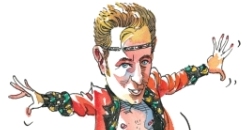
The page below is from For the Love of Being Irish, an A-Z of Ireland featuring history and humor via limericks and lyrical prose by author Conor Cunneen. Buy author signed copies at My Irish Gift Store.
This history is written by Irish author, business keynote speaker and award winning humorist IrishmanSpeaks – Conor Cunneen. If you spot any inaccuracies or wish to make a comment, please don’t hesitate to contact us via the comment button.
Visit Conor’s YouTube channel IrishmanSpeaksto Laugh and Learn.
Tags: Best Irish Gift, Creative Irish Gift, Unique Irish Gifts, Irish Books, Irish Authors, Today in Irish History TODAY IN IRISH HISTORY (published by IrishmanSpeaks)
Conor is a Chicago based Motivational Humorous Business Speaker, Author and History buff.
.
.
1916: Easter Rising Dublin – Day 4: As British authorities get to grips with the situation in Dublin, fierce street to street fighting takes place in parts of Dublin. James Connolly is severely wounded while involved in an action close to the GPO. He manages to crawl back to the rebel conclave which is now completely cut off from other rebels. Learning from the debacle at Mount Street bridge, British troops did not attempt a full scale assault on the GPO>
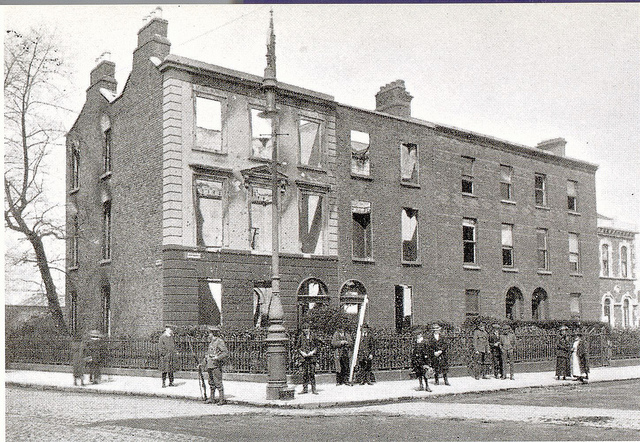
British troops finally take Mount Street bridgeat the cost of over two hundred casualties incurred by seventeen Irish rebels, five of whom were killed.
Mount street bridge 1916 following Rising
Witness James Stephens wrote of Thursday’s events: “At 11.30am there came the sound of heavy guns firing in the direction of Sackville Street. I went on the roof, and remained there for some time. From this height the sounds could be heard plainly. There was sustained firing along the whole central line of the City, from the Green down to Trinity College, and from thence to Sackville Street, and the report of the various types of arm could be easily distinguished. There were rifles, machine guns and very heavy cannon.”
.
SHORT VIDEO ON IRISH REBEL WEAPONRY
.
Easter Rising: British Authorities Blundered and Media Reaction
While the execution of rebel leaders some days after the Rising was a “legitimate” response to “traitors” at a time Britain was involved in a war, the executions proved to be probably THE greatest single mistake Britain made in its time in Ireland. The rebellion was not initially popular and the destruction of Dublin brought odium on the rebels from Irish media including the Irish Independent which wrote:
“No terms of denunciation that pen could indict would be too strong to apply to those responsible for the insane and criminal rising of last week. Around us in the centre of Ireland’s capital, is a scene of ruin which it is heartrending to behold. Some of the proudest structures in what was one of the finest streets in Europe are now reduced to shapeless heaps of smouldering ashes.”
The Irony of 1916.
At a time Irish rebels were fighting and dying to overthrow British rule in Ireland, hundreds of Irish soldiers were fighting and dying with the British army at the Battle of Hulluch when German troops unleashed one of the most devastating chlorine gas attacks of World War I. Irish nationalist leader John Redmond had encouraged participation in the British army in 1914 in the belief that it would guarantee Home Rule for Ireland and of course everyone “knew” the war would be short lived. Over 1,ooo soldiers of the 16th “Irish division” suffered dreadful death and injury from the Hulluch gas attack April 27-29.
In an example of revisionist history that would have done Stalin proud, Irish authorities ignored the thousands of Irish men who fought and died in World War I until very recently.
.
.
Other Events on this Day in Irish History
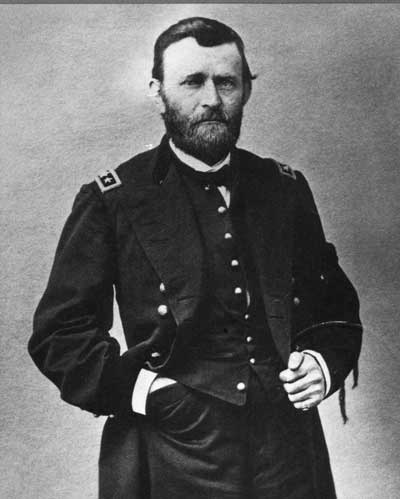
1822: Ulysses S. Grant, 18th President of the United States is born Hiram Ulysses Grant to a mother of Scots-Irish ancestry in Point Pleasant, Ohio. His maternal grandfather John Simpson, was born in County Tyrone, and immigrated to America in 1760. Grant visited Ireland in 1879.
.
Ulysses S. Grant 1822-1885
.
.
1880: A Royal Charter is issued creating The Royal University of Ireland an examining and degree-awarding university based on the model of the University of London.
.
.
1904: Cecil Day-Lewis
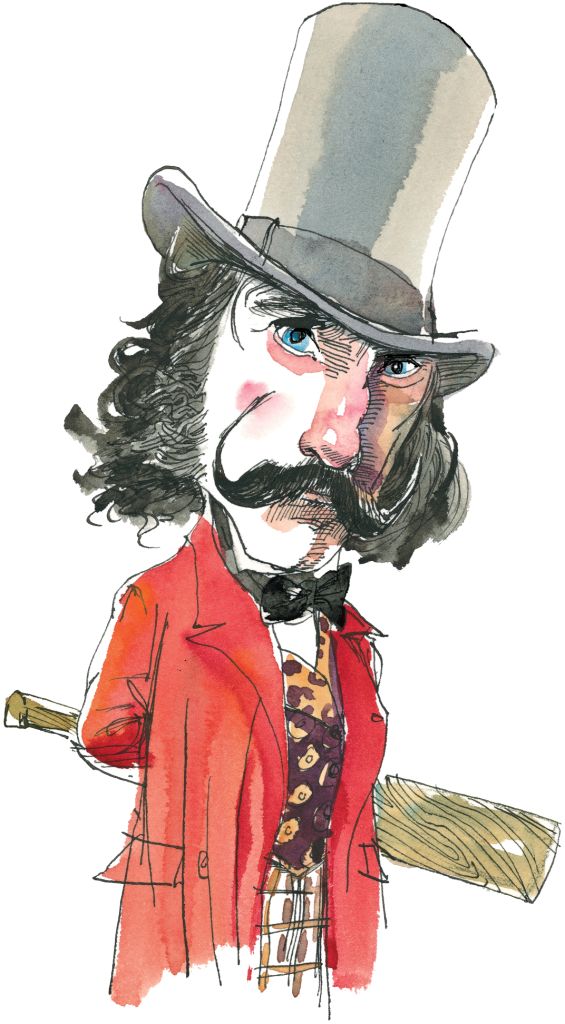
Poet Cecil Day-Lewis is born in Stradbally, Co. Laois. He is the father of Daniel Day-Lewis and was Poet Laureate from 1968-1972. Below is illustration of son Daniel in For the Love of Being Irish
This history is written by Irish author, business keynote speaker and award winning humorist IrishmanSpeaks – Conor Cunneen. If you spot any inaccuracies or wish to make a comment, please don’t hesitate to contact us via the comment button.
Visit Conor’s YouTube channel IrishmanSpeaksto Laugh and Learn.
Tags: Best Irish Gift, Creative Irish Gift, Unique Irish Gifts, Irish Books, Irish Authors, Today in Irish History TODAY IN IRISH HISTORY (published by IrishmanSpeaks)